Damage found after demolition
Decides most claims
Take the cash
Your cost. The claim is closed
Restore through the claim
Documented and submitted against the open claim

After a fire or flood, your insurer may offer you a cheque instead of a rebuild. That offer changes who carries the risk, who controls the quality, and what happens when the walls come open. Here is how to weigh it, whether the damaged property is your home or your business.
Decides most claims
Take the cash
Your cost. The claim is closed
Restore through the claim
Documented and submitted against the open claim
Take the cash
You cover the gap
Restore through the claim
Approved scope adjusts with actual conditions
Take the cash
You coordinate everything yourself
Restore through the claim
Your contractor and the adjuster coordinate together
Take the cash
Whatever the cheque stretches to
Restore through the claim
Insurer funds like kind and quality replacement
Take the cash
You
Restore through the claim
You. Choosing your own contractor is still your call
Take the cash
Locked at the adjuster's initial estimate
Restore through the claim
Follows the real, documented scope
An estimate written before demolition is a guess with a dollar sign. Make sure someone who builds for a living has checked it before it becomes your budget.
Here is the part of the process that surprises almost every property owner we speak with. Your policy exists to fund the restoration of your property to its pre-loss condition. In most cases it does not dictate which contractor performs that work. In British Columbia, you can generally propose a qualified contractor of your own choosing, even when the insurer has already suggested one from its network.
That matters because the standard your policy promises, like kind and quality, is only as good as the team advocating for it. A contractor working for you will document the finishes you actually had, price the scope to restore them properly, and put that case in front of the adjuster. A contractor working through the insurer's vendor program has a different client.
Policy wordings vary, so confirm the specifics with your broker before relying on this. But do not assume the first crew assigned to your file is the only crew allowed on it.
If no independent contractor has reviewed the adjuster's scope, you are not choosing between cash and restoration. You are choosing between an unverified number and an open file. Verify first, decide second.
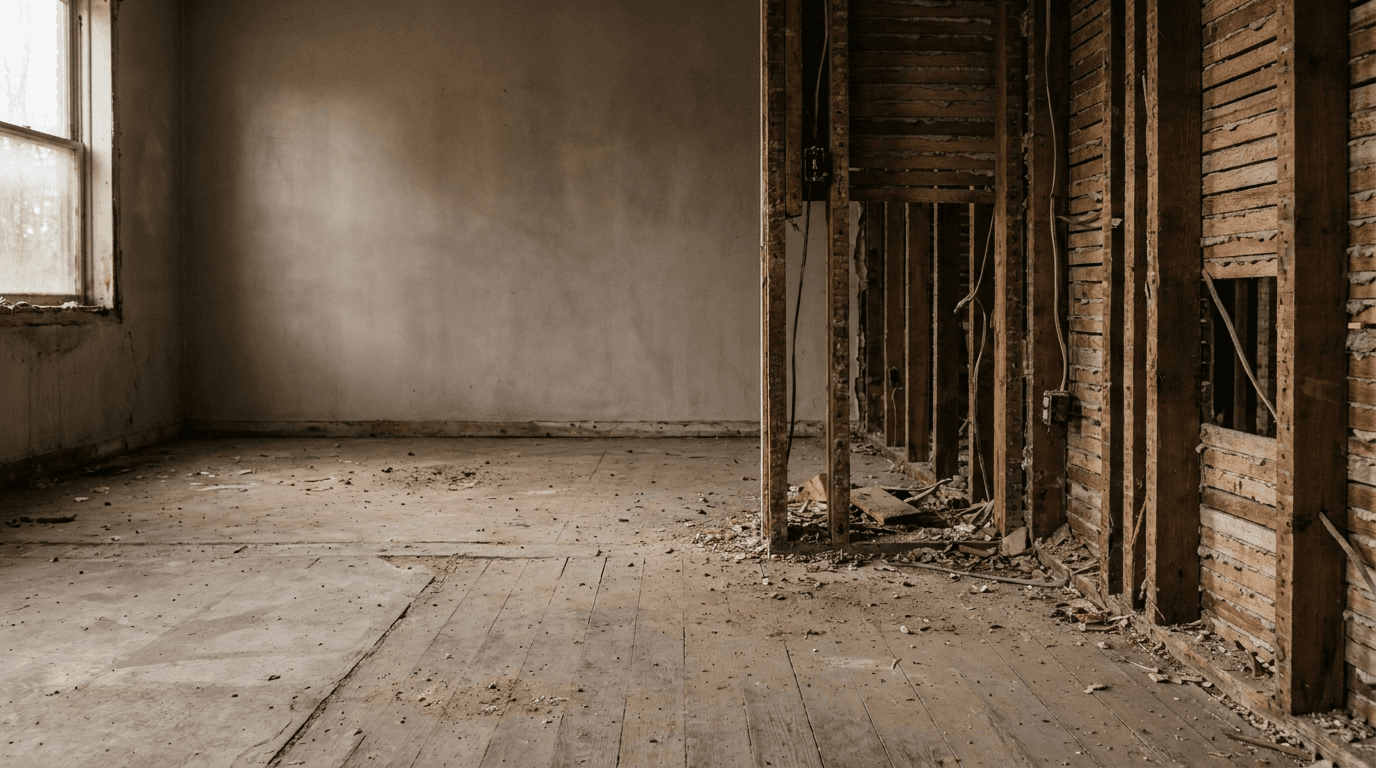
Water losses, older buildings, and anything involving concealed cavities carry high hidden-damage risk. The higher that risk, the more valuable an open claim becomes, because the claim absorbs what demolition reveals.
If the project runs 30 percent past the settlement, does that break you? If the honest answer is yes, the open claim's cost protection is worth more than the settlement's freedom.
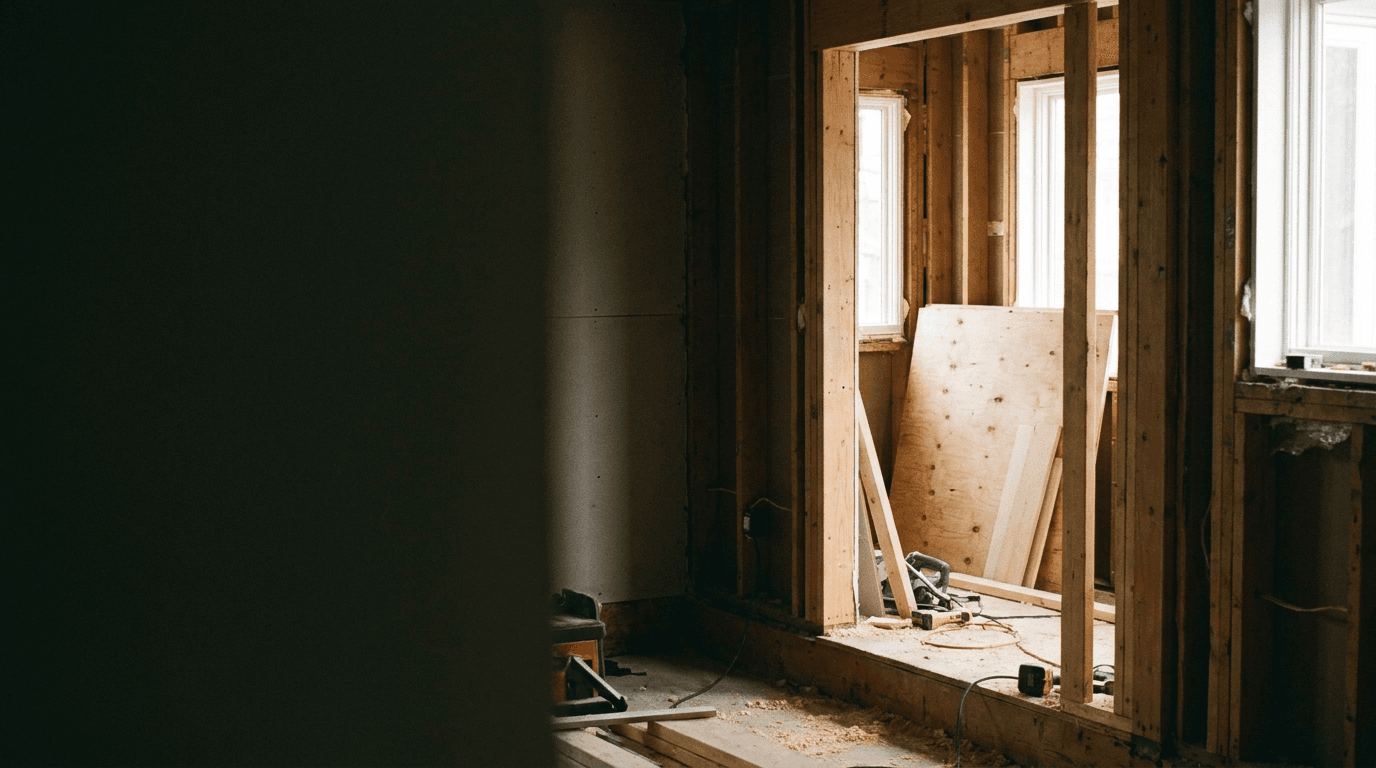
A cash settlement makes you the project manager: scoping, permits, trades, sequencing, documentation. Some owners want that control. Most discover it is a second job arriving at the worst possible moment.
The settlement path only works as well as the builder running it. And on the restoration path, remember that you can generally bring your own contractor into the claim. Either way, the contractor question comes before the money question, not after.
FAQ
The settlement offer in your hands was built from a single inspection of visible damage. Whether you take the cash or keep the claim open, that number deserves a second set of eyes from someone who prices rebuilds every week. A free scope review with GP takes a fraction of the time the decision deserves, and it costs you nothing either way.